Raspberry Nutrition Information
Raspberry Nutritional Value
And Health Benefits
Interested in Raspberry Nutritional Information?
How Many Calories are in a Raspberry?
Are Raspberries Healthy for you?
#ad GIFT IDEA: Cool Breakfast Stations
(Click on the LINKS for more Information)


*FTC Disclosure: As an Amazon Associate I earn from qualifying purchases with no extra cost to you
*FTC Disclosure: As an Amazon Associate I earn from qualifying
purchases with no extra cost to you
Raspberry Nutrition
In addition to the explosive taste to your taste buds every time you sink your teeth into one of these delectable tender fruits, raspberries are low in calories and very nutritious to eat!
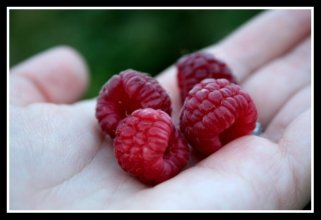
Try and include raspberries in your diet as often as you can, especially at the times that they are harvested locally in the area where you may live.
Fruit allowed to ripen naturally, and harvested just prior to consuming it, will provide the best flavour, and optimum nutrition and health benefits.
It is important to include plenty of fresh fruit in your diet each day.
Many areas allow for "pick your own raspberries", try it ... it's fun to do as a family outing, and will provide you with the best berries!
This is an especially good idea if you want to pick extra and freeze raspberries, can raspberries, or dehydrate the berries.
Raspberries are a good choice of fruit!
They are very rich in Vitamin C, and as you can see from the "Raspberry Nutritional Values Table" (below), they are also a good source of Vitamin B12, Vitamin B3, folate, magnesium, and a good source of dietary fibre.
Health Benefits of Raspberries
Raspberries are High in Antioxidants
Raspberries rank in the top 10 antioxidant-high fruits and vegetables! They possess almost 50% higher antioxidant activity than strawberries.
Antioxidants are believed to help prevent and repair oxidative stress, a process that damages body cells and has been linked to the development of diseases such as cancer, heart disease and Alzheimer's disease.
GO to Antioxidants in Berries
Raspberries Provide Anti-Inflammatories
Raspberries provide important anti-inflammatories, including anthocyanins (the pigments in red, purple and blue fruits), which are believed to help reduce cardiovascular disease and diabetes, help to improve eyesight and memory functions.
Raspberries are a Source of Ellagic Acid
Ellagic acids, which may slow down the growth of some cancer cells, is found in raspberries (including the seeds!), in fact raspberries are a leading source of the acid.
Research has also shown that ellagic acid from raspberries is easily absorbed by the body.
The seeds of raspberries also serve as beneficial "roughage" in the digestive tract.
GO to Benefits of Raspberry Skin Cream
Raspberries and Cosmeceuticals
Raspberries, especially the seeds, may become more and more important in the booming cosmeceuticals market (skin care products with health benefits).
The oil in the seeds of the raspberries is rich in vitamin E, omega-3 fatty acids and has a natural SPF (sun protection factor) of 25 to 50.
Raspberry Ketone Supplements
Raspberry ketone is the natural, aromatic phenolic compound found in red raspberries.
Raspberry ketone is the substance in raspberries that give them their distinctive smell.
Although raspberry ketone is often touted as a natural compound, much of this product available on the market today is actually made synthetically.
Raspberry ketone is used as a component of perfumes, cosmetics, and as a food additive used to impart a "fruity" aroma to food.
Recently, raspberry ketone products have received much publicity, (and a positive endorsement by many), as a weight-loss supplement.
GO to Raspberry Ketone Supplement for Weight Loss
Red Raspberry Leaf Tea and Women's Health
Raspberry Leaf Tea has been praised by many herbalists and midwives for it's medicinal benefits in women's reproductive health.
For centuries, leaves of the red raspberry plants have been used to help during pregnancy, in childbirth, with breastfeeding, with irregular menstruation, infertility, and other conditions in connection with women's health.
GO to Raspberry Leaf Tea During Pregnancy, Childbirth, Infertility
Raspberry Nutritional Values/Calories
One Cup (123. grams) of Raspberries Contains:
calories ... 60.28 calories
manganese ... 1.24 mg
vitamin C ... 30.76 mg
dietary fiber ... 8.34 g
folate ... 31.98 mcg
vitamin B2 (riboflavin) ... 0.12 mg
magnesium ... 22.14 mg
vitamin B3 (niacin) ... 1.10 mg
potassium ... 186.96 mg
omega 3 fatty acids ... 0.12 g
copper ... 0.10 mg
Note - If a nutrient or vitamin is not listed above, it does not necessarily mean that raspberries do not contain it.
Not every nutrient and vitamin is included in the above list.
A simple and quick way to benefit from the nutrition provided in raspberries in your diet is to make a raspberry smoothie or a shake or add some fresh berries to your breakfast cereal.
GO to Raspberry Smoothie Recipes
GO to Healthy Raspberry Snacks Ideas
TOP of Raspberry Nutrition
HOME to Homepage of Raspberry-Depot.com
©2010-2025 Raspberry-depot.com - All Rights Reserved Worldwide
No Reproduction Permitted Without
the Express Written Consent of the Site Owner




Special Occasion Recipes
♥ Valentine Recipes ♥
Pancake Day Recipes
Easter Recipes
Mother's Day Recipes
Father's Day Recipes
Thanksgiving Recipes
Christmas Recipes
New Year's Eve Recipes
Subscribe to
This Site


This Knife Sharpener
is one of the
Most USEFUL
Kitchen
Tools
that I have
EVER
Purchased
I've been using
the same
Knife Sharpener as
the One Below for
Well Over 10 Years!
⇩



Some of My
Favorite
Things
⇩

No More Burned
Pie Crusts!
⇩